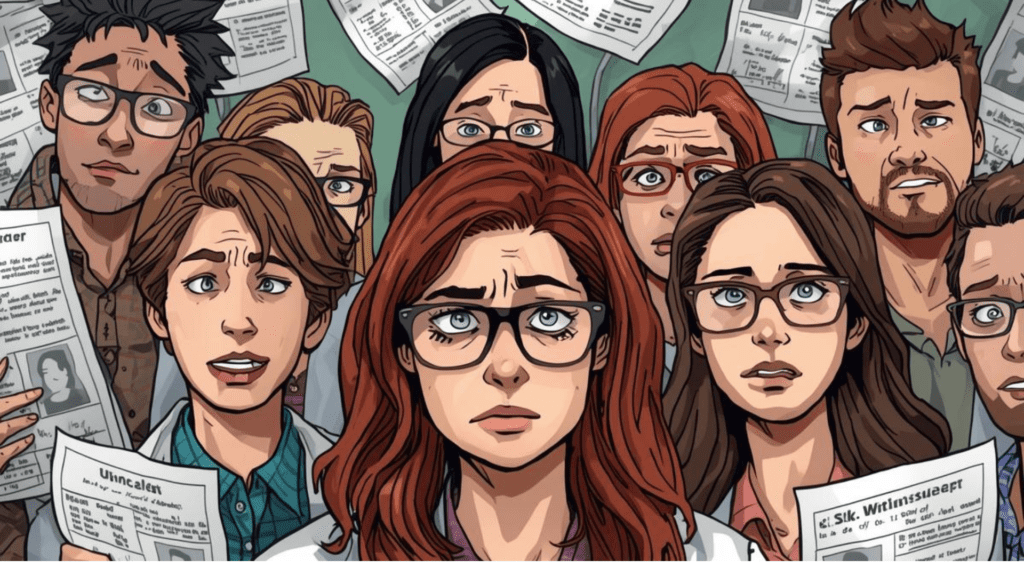

When we think about lifestyle choices that ruin our health, our minds immediately go to cigarettes and alcohol. We see the warning labels, we know the statistics, and we understand the risks.
However, according to Dr. Manan Vora, a prominent Mumbai-based orthopaedic surgeon and health educator, there is a “silent killer” that many of us ignore every single day—and it might be harming your body even faster than smoking or drinking.
That danger? Chronic, unmanaged stress.
“Alcohol and Cigarettes Won’t Kill You; Stress Will”
In a recent health insight that has gone viral, Dr. Vora challenged the traditional hierarchy of health risks. While he doesn’t advocate for smoking or drinking, he points out that people often obsess over these vices while completely ignoring the mental weight they carry.
“Alcohol and cigarettes will not kill you. What will kill you is stress,” Dr. Vora explains. He describes stress not just as a “feeling,” but as a violent, full-body physiological reaction.
How Stress Attacks Your Physical Body
Most people view stress as a mental burden, but Dr. Vora highlights that it manifests physically long before we realize the damage. When you are stressed, your body enters a “fight or flight” mode, releasing a flood of hormones including cortisol and adrenaline.
While these hormones are helpful in short bursts (like escaping a dangerous situation), staying in this state for weeks or months is catastrophic. Dr. Vora points to several physical warning signs that your body is under too much pressure:
-
Muscle Knots and Tension: Chronic “tightness” in the shoulders and neck.
-
Tension Headaches: Often caused by jaw grinding or scalp muscle contraction.
-
Lower Back Pain: Stress can cause muscles to tighten and spasms to occur.
-
Digestive Issues: The gut-brain axis means stress directly impacts your metabolism and liver health.
The Compounding Effect of Poor Sleep
The danger of stress is multiplied when we fail to rest. Dr. Vora emphasizes that sleep is the body’s only true “reset button.”
“Without deeply restorative sleep, your body never gets the chance to fully restore,” he warns. When you skip those vital 7 to 8 hours of rest, you aren’t just tired; you are carrying yesterday’s hormonal tension into today. This “compounding” effect is what leads to long-term damage to the heart, brain, and liver.
How to “Hit Reset” on Your Health
If stress is the silent killer, then awareness is the cure. To protect your body from the long-term effects of chronic stress, Dr. Vora and health experts recommend:
-
Listen to Body Signals: Don’t ignore that persistent backache or the habit of grinding your teeth. These are early warning systems.
-
Prioritize 7-8 Hours of Sleep: This is the time when cortisol levels drop and tissues repair themselves.
-
Active Recovery: Incorporate walking, journaling, or deep breathing into your daily routine to manually lower your heart rate.
-
Set Boundaries: Whether at work or in your personal life, saying “no” can be a life-saving medical intervention.
Final Thoughts
While cutting back on smoking and drinking is vital for longevity, it shouldn’t be your only focus. If you are living a “clean” lifestyle but are constantly burnt out, anxious, and sleep-deprived, your body is still at risk.
As Dr. Vora suggests, it’s time we start treating our mental peace with the same urgency as our physical habits.
Disclaimer: This article is for informational purposes only and does not constitute professional medical advice. Always seek the guidance of your physician regarding any medical condition.